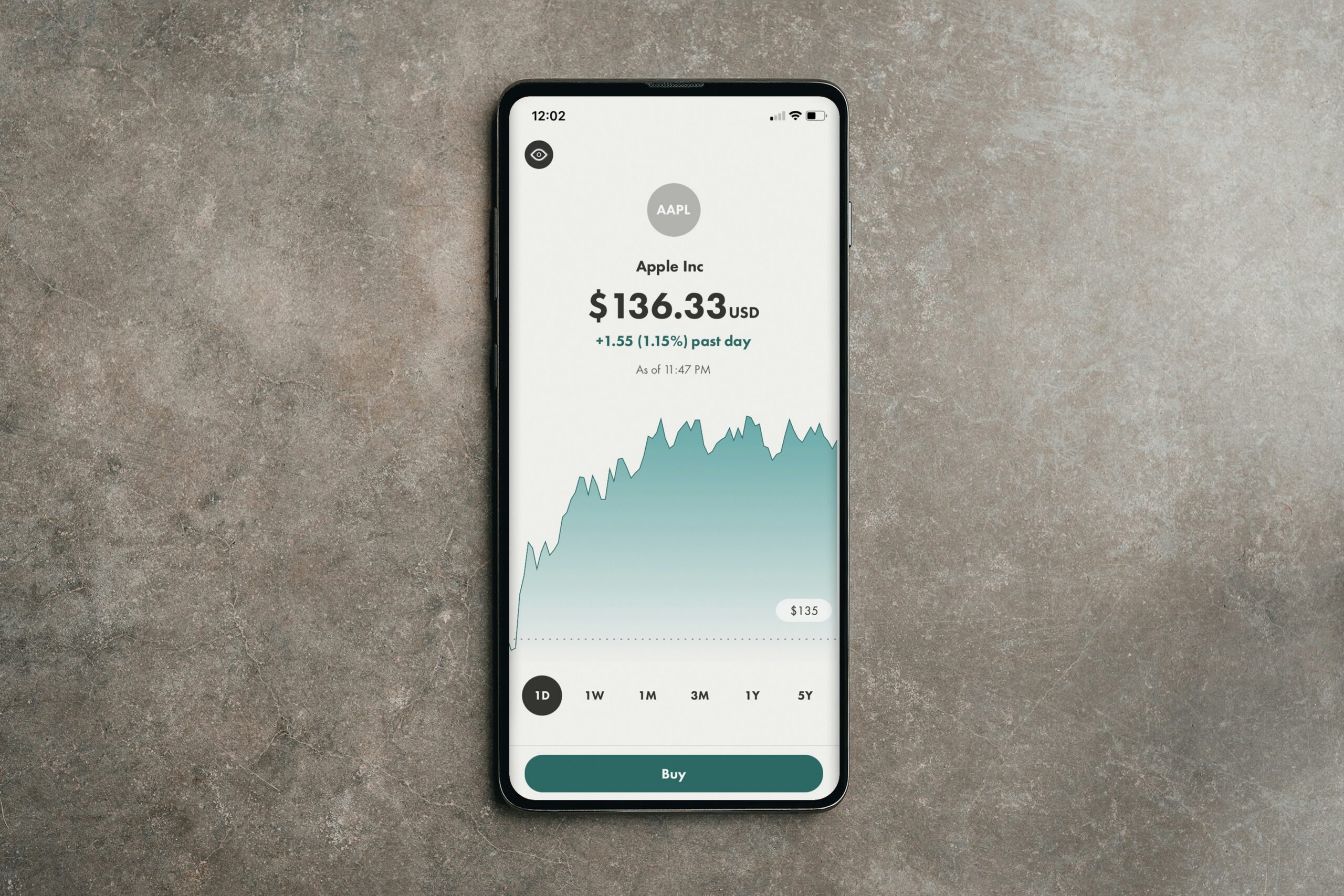
For years, the promise of technology in personal health was a story told in steps, heartbeats, and sleep cycles. Our wrists became data dashboards, yet a critical disconnect remained: the vast chasm between health data and financial health. In 2026, a profound convergence is finally bridging that gap. A new wave of financial technology, or fintech, is no longer just about managing your portfolio; it’s about directly investing in your most valuable asset—your well-being. These innovations are moving beyond passive tracking to create integrated, incentive-driven ecosystems where financial savings and health gains are two sides of the same coin, fundamentally reshaping how we perceive and pay for our long-term vitality.

The New Frontier: Where Your Wallet Meets Your Well-being
The driving force behind this revolution is a combination of sophisticated AI, blockchain-enabled data sovereignty, and a consumer demand for holistic life management. It represents a shift from reactive sickcare to proactive health capital management. As we navigate this landscape, five key fintech innovations stand out, not as isolated gadgets, but as interconnected systems creating a new paradigm for personal health stewardship.
1. Hyper-Personalized Health Savings Accounts (HSAs) 2.0
The traditional Health Savings Account has been reborn. Powered by AI, the modern HSA is no longer a simple tax-advantaged savings vessel. Today’s platforms, offered by next-generation digital health banks and fintech-integrated employer benefits platforms, act as intelligent health finance hubs. They analyze your spending patterns, genetic predispositions (with consent), and wearable data to offer predictive budgeting. Imagine your HSA app alerting you: “Based on your family history and current activity levels, we project a higher likelihood of metabolic screening needs in 3-5 years. We recommend allocating an additional $50 monthly to your ‘Preventive Care’ sub-account, and here are three high-rated endocrinology clinics within your network that offer pre-negotiated rates.” This transforms the HSA from a reimbursement tool into a strategic health financial planner.
2. Behavioral Insurance: Dynamic Premiums for Proactive Lives
The static insurance model is becoming obsolete. Inspired by telematics in auto insurance, behavioral health insurance providers are now the vanguard. Using consented data streams from verified sources—FDA-approved glucose monitors, meditation app usage, verified gym check-ins via secure APIs—these insurers adjust premiums in near real-time. This isn’t about punishing poor choices, but creating a transparent, rewarding feedback loop. A user who consistently meets personalized activity goals, maintains healthy sleep metrics, and completes a quarterly preventative health webinar might see their monthly premium decrease by 5-10%. This model aligns insurer and client incentives perfectly: both profit from the customer’s sustained health. For high-net-worth individuals, bespoke concierge health insurance plans are taking this further, bundling premium adjustments with direct access to wellness coaches and nutritionists.
3. Tokenized Health Achievements & NFT-Based Incentives
While the NFT frenzy of the early 2020s has cooled, its underlying blockchain technology has found a potent, practical application in health management. Corporate wellness programs and public health initiatives are now issuing verifiable, tokenized rewards for achieving health milestones. Completing a smoking cessation program, reaching a vaccination target, or maintaining a year of consistent blood pressure readings can generate a non-transferable “Health Achievement Token.” These tokens can be redeemed for tangible benefits: premium discounts, contributions to one’s HSA, or credits for local wellness services like boutique fitness studios or organic meal delivery. This system provides immutable proof of achievement and creates a new asset class: verifiable personal health capital.
4. AI-Powered Health Expense Optimization & Negotiation
Medical billing remains notoriously opaque. A new category of fintech tools serves as an AI advocate for the consumer. By securely linking to your health records (via HIPAA-compliant APIs) and insurance claims, these platforms do more than categorize expenses. They employ machine learning to audit bills for errors, code discrepancies, and overcharges, flagging potential savings. The most advanced services, often accessed through premium employer benefits packages or luxury financial advisory services, include automated negotiation. If a bill from an out-of-network specialist seems inflated, the AI can initiate and manage a negotiation process with the provider’s billing department, often securing reductions of 15-30% before the patient ever gets involved. This turns financial anxiety into automated, optimized cost management.
5. Integrated Health & Retirement Planning Platforms
The most profound innovation lies in the fusion of health and long-term financial planning. Leading robo-advisors and certified financial planners now integrate healthspan projections directly into retirement models. By analyzing your health data trends, these platforms can forecast potential long-term care needs, estimate future healthcare costs with startling accuracy, and adjust investment strategies accordingly. The question is no longer just “How much do I need to retire?” but “How much do I need to retire healthily?” These platforms might recommend allocating a portion of one’s portfolio to biotech and health innovation ETFs as a hedge, or suggest specific long-term care insurance providers earlier in life based on predictive risk. This holistic view ensures your financial plan actively supports your health goals, and vice versa.
Navigating the New Landscape: Privacy, Access, and Equity
This revolution is not without its critical challenges. The commodification of health data raises significant privacy concerns. The most reputable platforms operate on principles of user-centric data ownership, often using personal health vaults where the individual controls data sharing via granular, time-limited consent. Furthermore, there’s a risk of exacerbating health inequities. If access to these tools is gated by employment at premium tech firms or high-income brackets, we risk creating a “health optimization gap.” The industry’s next frontier must be making these tools accessible through public health partnerships and scalable, low-cost models.
The Future of You: An Integrated Asset
As we move deeper into 2026, the line between managing our money and managing our health will continue to blur. The ultimate outcome of this fintech revolution is the empowerment of the individual as the CEO of their own holistic well-being. We are transitioning from passive patients in a reactive system to active asset managers of our combined financial and human capital. The most forward-thinking individuals are now seeking integrated health-financial advisors and leveraging these tools not for fleeting optimization, but for the ultimate dividend: a longer, healthier, and more financially secure life. The revolution is here, and it’s measured not just in dollars saved, but in quality years gained.
Photo Credits
Photo by PiggyBank on Unsplash
- From Fitness Trackers to Financial Gains: Quantifying the Economic Impact of Health Data in 2026 – 22/04/2026
- The Holistic Portfolio: How AI Advisors in 2026 Are Merging Your Finances and Health for Optimal Wealth – 22/04/2026
- Telemedicine and Your Wallet: A 2026 Cost-Benefit Analysis for Modern Healthcare – 22/04/2026

•
Leave a Reply