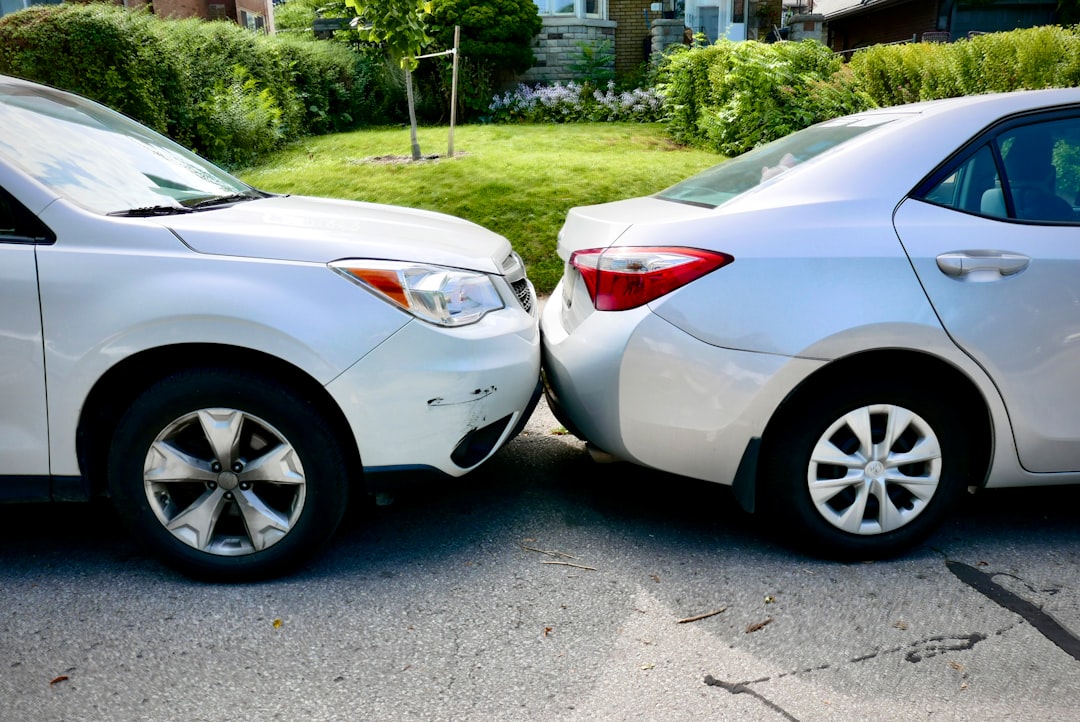
Navigating the world of auto insurance can feel overwhelming. With dozens of providers and policy terms that vary by state, it is not always clear where to start or what to prioritize.
Many drivers simply look at the monthly price, but the true value of a policy lies in its coverage details. Understanding the components of a standard policy can help you make a more informed decision before you compare car insurance options.
Understanding the Core Types of Car Insurance Coverage
Before you begin to compare car insurance policies, it is essential to understand the basic building blocks of coverage. Each component serves a specific purpose and can significantly influence your premium.
Liability Insurance
This is the foundation of almost every auto policy. Liability insurance covers costs associated with damage or injury you cause to others in an at-fault accident.
- Bodily Injury Liability: Covers medical expenses, lost wages, and legal fees for other parties.
- Property Damage Liability: Covers repair or replacement of other people’s property, such as vehicles or structures.
Most states require a minimum level of liability coverage, but these limits may not be sufficient to protect your assets in a serious accident. Reviewing your personal financial situation is a key step when evaluating your car insurance coverage needs.
Collision Coverage
Collision coverage pays for repairs to your own vehicle after an accident, regardless of who is at fault. This is often required if you have a loan or lease on your car.
- Helps cover repair costs after hitting another car or object.
- Subject to a deductible, which you choose at the time of purchase.
Comprehensive Coverage
Comprehensive coverage protects your vehicle from non-collision incidents. This includes events like theft, vandalism, fire, hail, or hitting an animal.
- Often paired with collision coverage to create “full coverage car insurance.”
- Also subject to a deductible, which can be adjusted to influence your premium.
Additional Coverage Options
Beyond the basics, many providers offer add-ons that can tailor a policy to your specific needs. When you compare car insurance options, consider whether these are relevant to your situation.
- Uninsured/Underinsured Motorist Coverage: Covers your expenses if you are hit by a driver without adequate insurance.
- Medical Payments (MedPay) or Personal Injury Protection (PIP): Covers medical expenses for you and your passengers, regardless of fault.
- Roadside Assistance: Provides help with towing, flat tires, or lockouts.
- Rental Reimbursement: Covers the cost of a rental car while your vehicle is being repaired.
Key Factors That Influence Your Car Insurance Premium
Car insurance rates are not arbitrary. Insurers use a variety of data points to assess risk and determine pricing. Understanding these car insurance cost factors can help you anticipate what to expect when you request quotes.
Personal Driving Profile
- Driving History: Accidents, speeding tickets, and DUIs can raise your premium significantly.
- Annual Mileage: The more you drive, the higher the statistical risk of an accident.
- Age and Experience: Younger and less experienced drivers often face higher rates.
Vehicle Characteristics
- Make and Model: Cars with high repair costs or poor safety ratings may cost more to insure.
- Vehicle Age: Older cars may require less coverage if they have depreciated in value.
- Safety Features: Anti-lock brakes, airbags, and anti-theft devices can sometimes lower rates.
Location-Based Factors
- State Requirements: Minimum coverage limits vary by state, directly affecting baseline costs.
- Urban vs. Rural: Dense urban areas with higher accident and theft rates often see higher premiums.
- Local Weather: Regions prone to hail, floods, or severe storms may have higher comprehensive rates.
Coverage Choices
- Deductibles: Higher deductibles typically lower your premium, but mean more out-of-pocket costs at claim time.
- Coverage Limits: Higher liability limits offer more protection but increase the cost of the policy.
How to Effectively Compare Car Insurance Providers
Once you understand your coverage needs and the factors that affect pricing, the next step is to evaluate different insurers. Comparing providers is about more than just the monthly premium.
What to Look for in a Provider
- Financial Strength: Check ratings from agencies like A.M. Best or Standard & Poor’s to ensure the company can pay claims.
- Customer Service Reputation: Look for reviews regarding claims handling, responsiveness, and overall satisfaction.
- Discounts Available: Many insurers offer discounts for bundling policies, safe driving, or completing defensive driving courses. Ask about these when you compare car insurance quotes.
- Policy Flexibility: Some providers allow you to customize your coverage more easily than others.
The Quote Comparison Process
When you request car insurance quotes, it is important to provide consistent information across all providers. This ensures you are comparing similar coverage levels.
- Use the same coverage limits and deductibles for each quote.
- Include the same driver information and vehicle details.
- Ask about any mandatory fees or surcharges that may apply.
Common Misconceptions About Car Insurance
Many drivers operate on assumptions that can lead to inadequate coverage or unexpected costs. Being aware of these misconceptions can help you make a more educated choice.
“I Only Need the State Minimum”
While state minimum liability coverage is the legal baseline, it may not cover the full cost of a serious accident. If you are found at fault for significant damages, you could be personally responsible for the difference. Reviewing your assets and risk tolerance is crucial when choosing your coverage limits.
“Red Cars Cost More to Insure”
This is a persistent myth. Insurers do not consider the color of your vehicle when calculating premiums. They focus on the factors mentioned above, such as the car’s make, model, and safety features.
“All Providers Offer the Same Coverage”
While coverage types are standardized, policy language, exclusions, and claims processes can vary widely between insurers. Reading the fine print and understanding the terms of your policy is essential. This is why it is valuable to compare car insurance options from multiple reputable companies.
Steps to Take Before Requesting a Quote
Being prepared can make the process of shopping for car insurance more efficient and effective. Here is a simple checklist to follow before you begin.
- Know Your State’s Minimum Requirements: Check your state’s Department of Insurance website for baseline liability limits.
- Assess Your Vehicle’s Value: If your car is older and has a low market value, you might consider dropping collision or comprehensive coverage.
- Review Your Driving Record: Obtain a copy of your driving history to ensure it is accurate. Errors can affect your quotes.
- Determine Your Budget: Decide on a comfortable monthly premium range and a deductible you can afford to pay out-of-pocket.
- List Your Priorities: Are you looking for the most affordable car insurance options, or is customer service and claims handling your top priority?
Making an Informed Decision
Choosing the right car insurance policy is a financial decision that should be based on facts, not hype. By understanding the different types of car insurance coverage, the factors that influence pricing, and how to evaluate providers, you can approach the process with confidence.
Remember that the cheapest option is not always the best value. A policy with adequate limits and reliable customer support can offer better protection in the long run. Take the time to review your specific needs, compare available options, and ask questions before committing to a policy.
When you are ready to move forward, you can begin by requesting car insurance quotes from multiple providers to see how different coverage levels and deductibles affect your premium. This step allows you to compare car insurance options side-by-side and select the policy that aligns with your budget and protection needs.

Leave a Reply