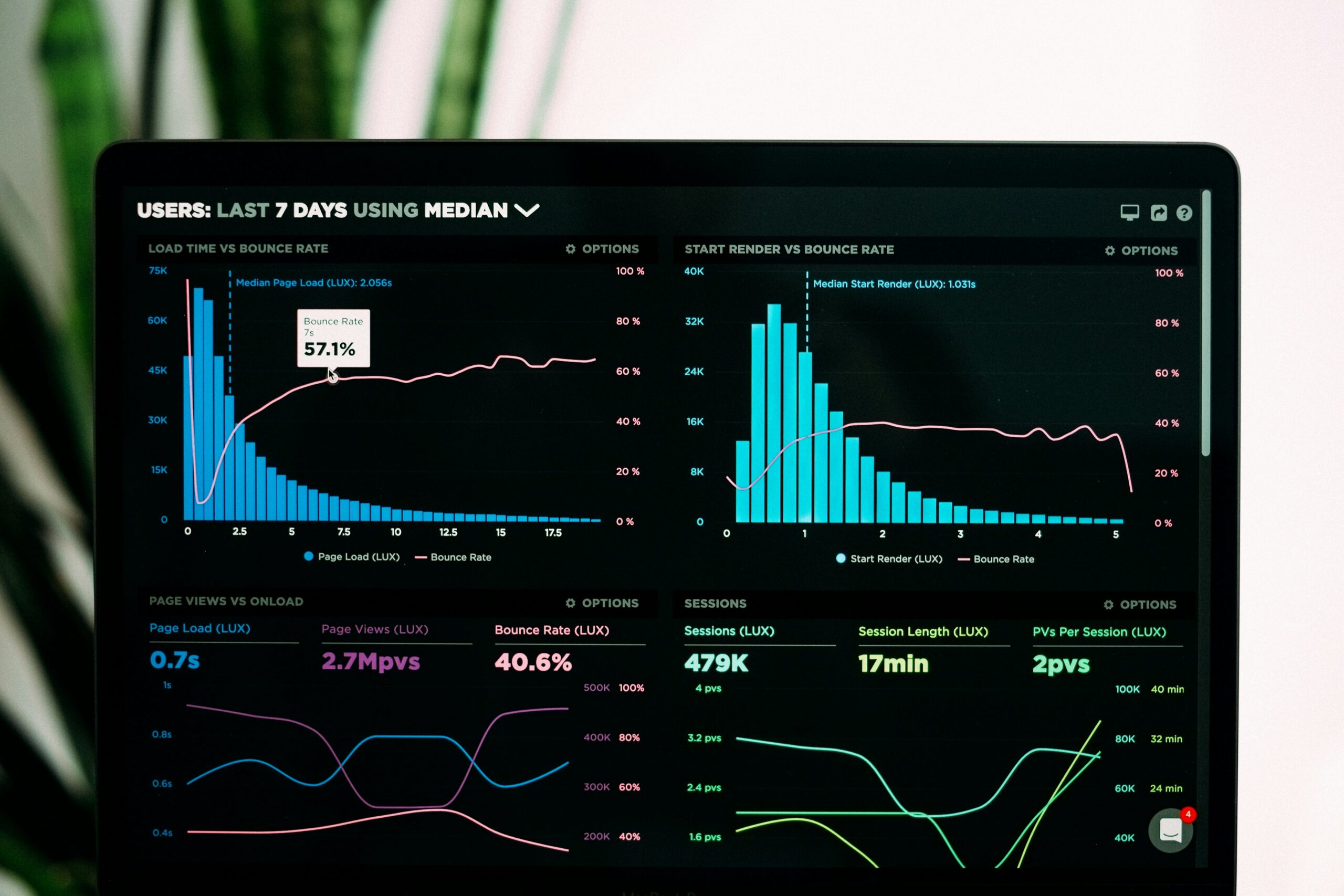
In the palm of your hand, a sleek device tracks your heart rate, sleep cycles, and daily steps. For millions, this data is a personal dashboard for wellness. But in boardrooms from Silicon Valley to Wall Street, this same stream of biometrics is being recast as a new asset class, a transformative input with the power to reshape trillion-dollar industries. We have moved beyond the novelty of step counts. Today, in 2026, the aggregation and sophisticated analysis of personal health data is driving a seismic shift in how capital is allocated, risks are assessed, and value is created across the global economy. This is no longer just about fitness; it’s about a fundamental recalibration of financial models, where a resting heart rate can influence an insurance premium and aggregated sleep data can forecast a nation’s productivity.

The Data Gold Rush: From Wearables to Wealth Creation
The proliferation of connected health devices has created an unprecedented data deluge. By 2026, it’s estimated that over 1.5 billion people globally use some form of wearable health technology, generating petabytes of continuous, real-time physiological information. This raw data, once siloed and anecdotal, is now being cleaned, anonymized, and aggregated into powerful predictive models. The economic impact is no longer theoretical; it is being quantified in corporate earnings reports and national economic forecasts.
Consider the evolution of corporate wellness programs. Early iterations offered gym discounts. Today, forward-thinking enterprises partner with advanced health analytics platforms to create data-driven wellness ecosystems. Employees who opt-in share anonymized data from their approved wearables, contributing to a pool that analyzes trends in stress, activity, and recovery. The financial ROI is stark: companies like Proactive Health Partners Inc. report client organizations seeing a 12-18% reduction in healthcare claims costs and a 20% drop in absenteeism within two years of implementation. The data doesn’t just identify health risks; it allows for preemptive intervention, turning healthcare from a cost center into a strategic investment in human capital.
Monetizing the Metrics: Key Industries Transformed
The ripple effects of quantified health are being felt most profoundly in three sectors: insurance, financial services, and consumer health itself.
1. The Actuarial Revolution: Dynamic Insurance Models
The staid world of life and health insurance is undergoing its most significant transformation since the advent of actuarial tables. Usage-based insurance (UBI), long standard in auto policies, is now the cornerstone of next-generation health and life insurance products. Providers like Vitality Life and Global Health Assurance offer policies where premiums are dynamically adjusted based on verifiable health behaviors tracked through partnered devices and apps.
This isn’t merely a discount for steps. Sophisticated algorithms analyze sleep consistency, cardiovascular recovery, and activity variance to create a personalized “health vitality score.” A policyholder with consistently optimal sleep and managed stress may see annual premium reductions of up to 15%. For insurers, this creates a more accurate risk pool, reduces adverse selection, and fosters longer-term customer engagement. The question for high-net-worth individuals is no longer just “what’s the coverage?” but “which premier health-linked insurance providers offer the most advantageous data partnership?”
2. Financial Services: Your Biometrics as Creditworthiness
Perhaps the most controversial, yet economically potent, application is in lending and asset management. A growing body of research correlates financial decision-making, risk tolerance, and even fraud propensity with physiological markers of stress and cognitive function. In 2026, several bespoke private wealth firms and specialized fintech lenders are piloting programs where clients can voluntarily submit historical health data as a supplementary factor in credit assessments or investment strategy alignment.
The logic is data-driven: an individual with demonstrably strong stress resilience and consistent routines may be deemed a lower risk for impulsive financial behaviors. While tightly regulated and requiring explicit consent, this practice raises profound questions about equity and privacy. Nevertheless, the economic incentive for lenders to reduce default rates is fueling significant investment in this niche, creating a new frontier for ethical biometric data analysts who bridge finance and healthcare.
3. Consumer Health and Pharma: The Precision Wellness Boom
The direct-to-consumer market has exploded beyond tracking into prediction and personalization. Startups are leveraging AI to analyze individual health data streams against population-level datasets to offer hyper-personalized nutrition, supplementation, and training regimens. This is the era of precision wellness concierge services.
For example, a service like HelixFit analyzes your sleep, activity, and genetic data (from an approved test) to not only design your workout but also coordinate with a local organic meal preparation service and a compounding pharmacy for nootropic supplements, all billed through a single, premium subscription. The economic impact is dual: it creates a high-margin service sector and generates incredibly valuable longitudinal data for pharmaceutical R&D, accelerating the development of targeted therapies.
The Dark Side of the Dividend: Privacy, Equity, and Regulation
This data-driven gold rush is not without its perils. The central tension lies between individual benefit and corporate profit. Who truly owns the data generated by your body? The 2025 Global Health Data Sovereignty Act established a baseline, granting individuals portable rights to their health data, but enforcement remains a patchwork.
A significant risk is the emergence of a “health data divide.” Those who can afford advanced wearables and have the time and knowledge to optimize their metrics may reap financial rewards—lower insurance, better loan rates—while those with pre-existing conditions, disabilities, or lower socioeconomic status could face de facto discrimination or be excluded from the best financial products. Regulators in the EU and California are now grappling with how to audit the algorithms used by health-data-driven financial institutions for bias, ensuring the economic gains do not come at the cost of social equity.
Future Outlook: The Integrated Health Economy
By the end of this decade, we will stop thinking of “health data” as a separate category. It will be a foundational layer of the personal digital identity, integrated with financial, social, and professional data streams. The most significant economic gains will accrue to entities that can build trust and provide transparent value exchange.
We will see the rise of personal health data vaults—secure, individual-controlled platforms where people can store their lifetime health information and grant temporary, permissioned access to insurers, employers, or researchers in return for tangible benefits, perhaps even direct micropayments. The business models of tomorrow will be built on this consent-based architecture.
Conclusion: The Body as a Bottom Line
Photo Credits
Photo by Luke Chesser on Unsplash
- From Fitness Trackers to Financial Gains: Quantifying the Economic Impact of Health Data in 2026 – 22/04/2026
- The Holistic Portfolio: How AI Advisors in 2026 Are Merging Your Finances and Health for Optimal Wealth – 22/04/2026
- Telemedicine and Your Wallet: A 2026 Cost-Benefit Analysis for Modern Healthcare – 22/04/2026

•
Leave a Reply